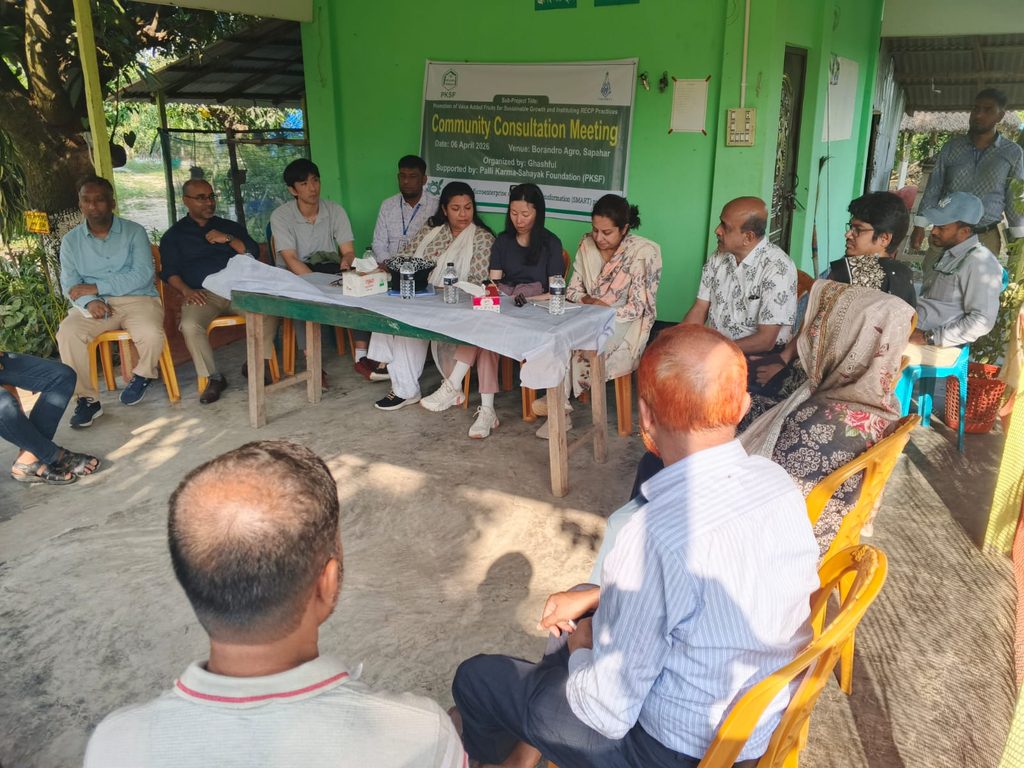

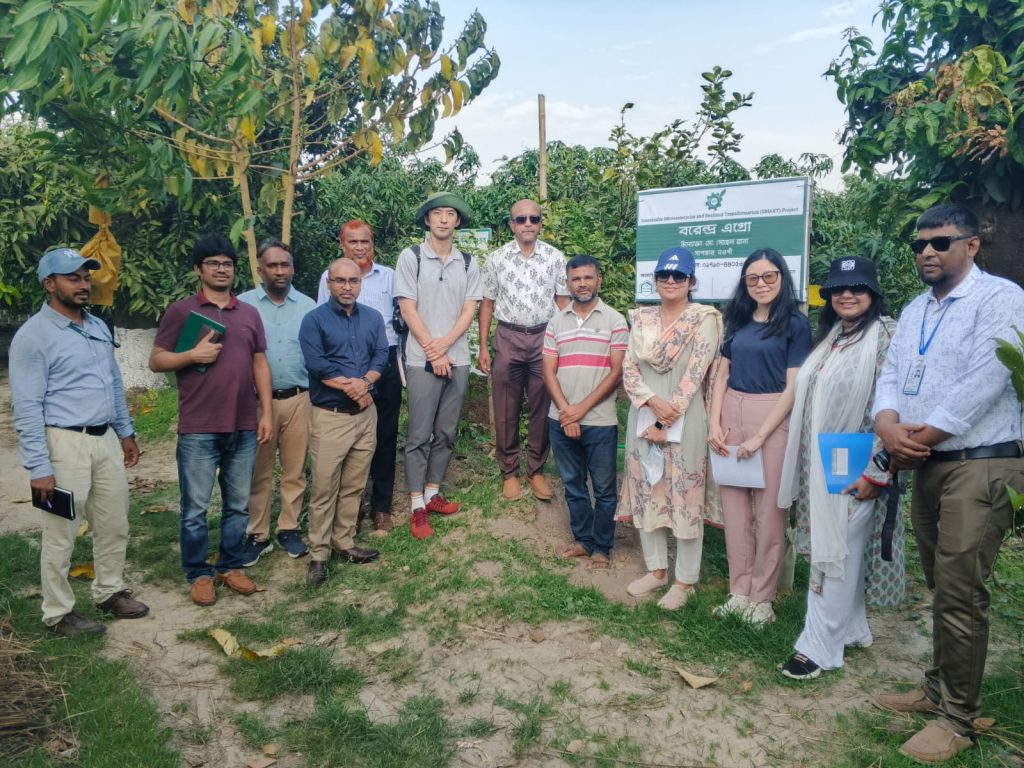
A high-level international delegation visited Naogaon on 6 April as part of the mid-term evaluation of the SMART Project implemented by Ghashful, funded by the World Bank and Palli Karma-Sahayak Foundation (PKSF).
The delegation included Keisuke Yadomi (Task Team Leader), Sophie Dong, Samira Chowdhury, and Sharlin Hossain. They were joined by PKSF representatives including Manager (CERD, DPC) AHM Rahat Hossain, Program Manager (Enterprise Development–Agriculture) Md. Badiul Alam, and Environment and Natural Resource Management Specialist Md. Shafiul Islam.
Under the SMART Project, the sub-project titled “Promotion of Value Added Fruits for Sustainable Growth and Instituting RECP Practices” is being implemented across five upazilas of Naogaon, engaging around 1,000 entrepreneurs in the high-value fruit sub-sector. The initiative is strengthening the local economy while promoting environmental sustainability.
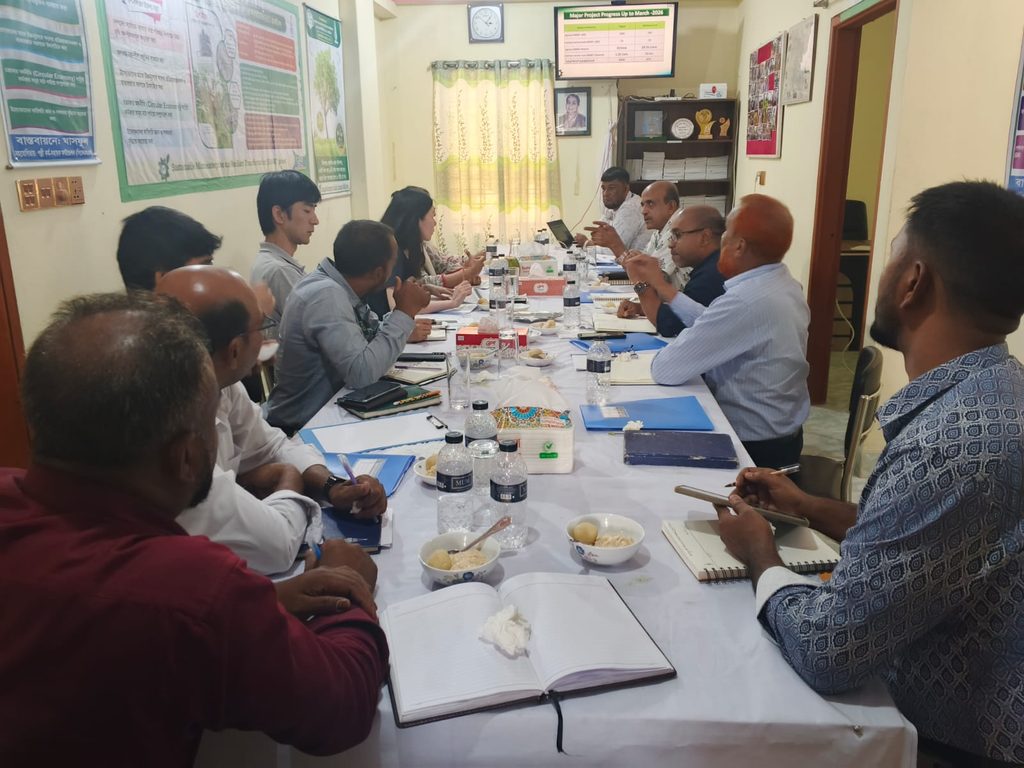
The delegation was warmly received at the Sapahar project office by Ghashful’s Deputy Director Jayanta Kumer Bosu and relevant officials. A discussion session, chaired by Assistant Director K.M.G. Rabbani Bosunia, focused on project progress, challenges, and future plans. Project Manager Mostafa Kamal presented how entrepreneurs are adopting sustainable and profitable production systems through technology, training, and awareness.
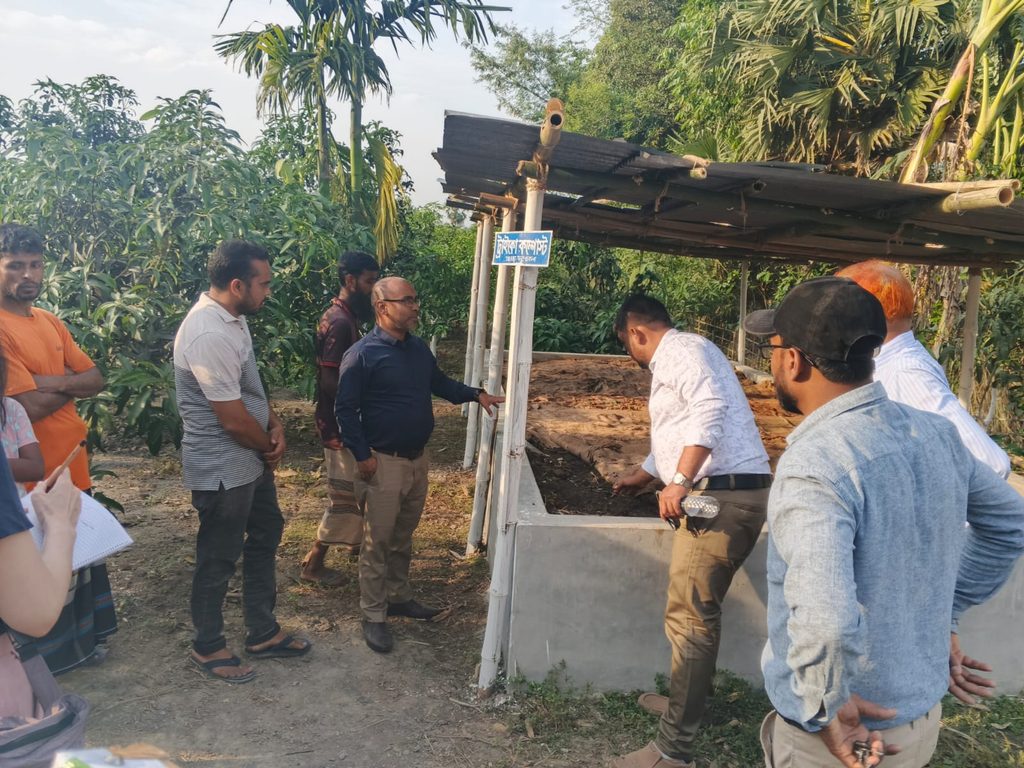
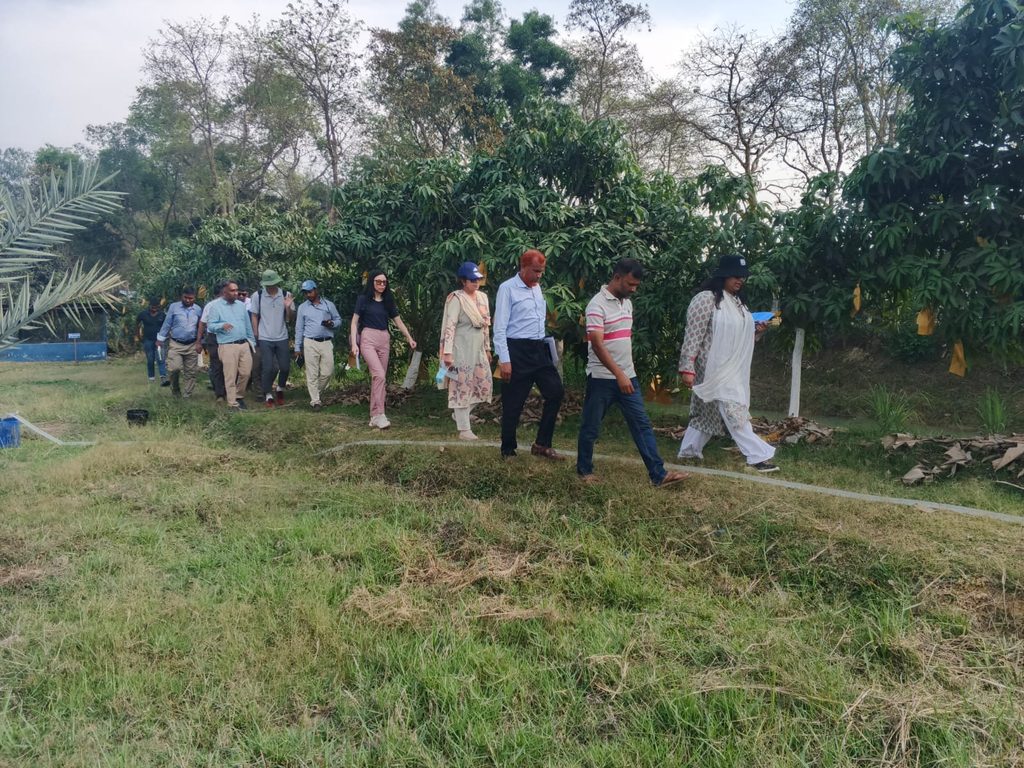
During field visits, During field visits, the delegation observed innovative practices such as drip irrigation saving up to 90–95% water, solar-powered irrigation, reduced chemical use through pheromone traps, and organic compost production from agricultural waste.
At entrepreneur Sohail Rana’s “Barendra Agro,” they saw the use of pheromone traps and sticky color traps reducing chemical dependency, along with solar-powered irrigation and hose pipe systems saving around 25% of water. Organic waste is being converted into Tricho and vermicompost, producing nearly 2 tons of organic fertilizer monthly.
At entrepreneur Hafizur Rahman’s “Hafizur Agro,” drip irrigation systems demonstrated up to 90–95% water savings, alongside effective circular economy practices through waste reuse.
The team appreciated the project’s strong contribution to sustainable farming, environmental protection, and rural livelihoods, highlighting it as a practical and replicable model. Impressed by the field-level innovations, Task Team Leader Keisuke Yadomi remarked, “Such environmentally friendly agricultural practices are extremely important in today’s world. This is a practical and replicable model.”
This initiative reflects how technology, community engagement, and smart planning can drive a more sustainable and resilient agricultural future in Bangladesh.